
Ladybug Beside a Country Well
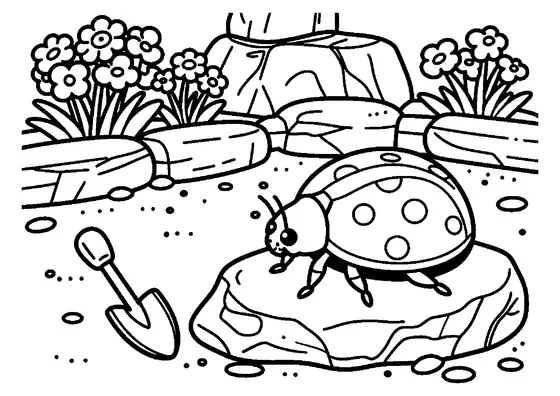
A tiny spotted beetle perches gently on the rugged stone foundation of an old-fashioned rustic water well.

A4 format (portrait), black outlines on a white background · for home and classroom use
All coloring pages: Ladybug Coloring Pages
Similar coloring pages: Ladybug Coloring Pages


What else can you print? Free, no account needed
Custom Name Coloring Pages
Enter your child's name to generate a custom coloring page featuring large outline letters to color and decorate.
Open generator →Connect the Dots Generator
Eight connect-the-dots pictures across three difficulty levels. Features faint outline guides for younger children and dots only for older kids.
Open generator →Printables
Worksheets, tracing lines, mazes and dot-to-dots in A4.
Browse printables →
Small Beetle Resting on a Traditional Stone Well
A spotted ladybug climbs along the textured masonry base of a classic rural well. Built from stacked stones and topped with a manual wooden crank mechanism, such traditional water sources once provided fresh groundwater to farmsteads. The small insect brings a touch of miniature wildlife to the sturdy, historic stonework.
Remarkable Facts About Ladybugs and Country Wells
Ladybugs are natural gardener helpers that consume plant-eating pests like aphids by the hundreds every day. Traditional stone wells relied on deep underground aquifers, pulling water up using a rope wrapped around a wooden crank handle. The cool, damp stones around a well base frequently attract small insects looking for shade and moisture.
Natural Colors of a Countryside Well Setting
- Ladybug shell: Vibrant red or orange with distinct black spots
- Beetle head and legs: Solid glossy black
- Well stonework: Natural granite gray, earthy brown, and subtle moss green
- Wooden crank handle: Aged oak brown or weathered gray timber