
Horse Head Portrait with Bridle and Mane
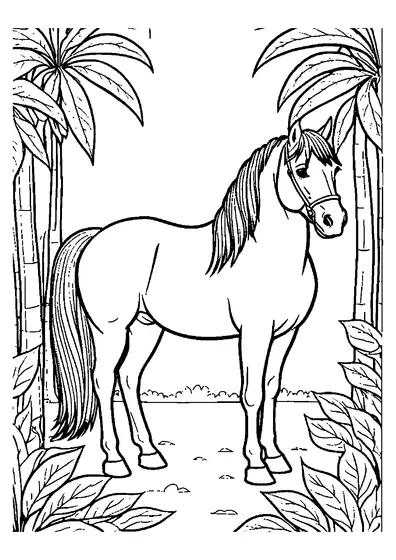
Seen in profile, a horse’s head has a full mane, upright ears, a visible eye, and fitted bridle and reins.

A4 format (portrait), black outlines on a white background · for home and classroom use
All coloring pages: Horse Coloring Pages
Similar coloring pages: Horse Coloring Pages




What else can you print? Free, no account needed
Custom Name Coloring Pages
Enter your child's name to generate a custom coloring page featuring large outline letters to color and decorate.
Open generator →Connect the Dots Generator
Eight connect-the-dots pictures across three difficulty levels. Features faint outline guides for younger children and dots only for older kids.
Open generator →Printables
Worksheets, tracing lines, mazes and dot-to-dots in A4.
Browse printables →
What the Horse Portrait Shows
The close-up view focuses on the shape and features of the horse’s head. Its mane falls along the neck, while the bridle crosses the face and connects to a rein. One alert ear and the horse’s calm eye help give the portrait an attentive expression.
Fascinating Facts About Horse Bridles and Manes
A bridle helps a rider communicate with a horse through gentle signals from the reins. A horse’s mane offers some protection from insects and weather, and its thickness, length, and texture vary among breeds and individual animals. Horses can also turn their ears in different directions to listen and show where their attention is focused.
Natural Colors of the Horse and Tack
- Horse’s coat: bay brown, chestnut, black, white, or dappled gray
- Mane: black, dark brown, flaxen, white, or a shade close to the coat
- Eye: usually deep brown, sometimes blue
- Bridle: commonly brown or black leather
- Metal fittings: silver, steel gray, or brass gold