
Foal by Beehives at the Edge of the Forest
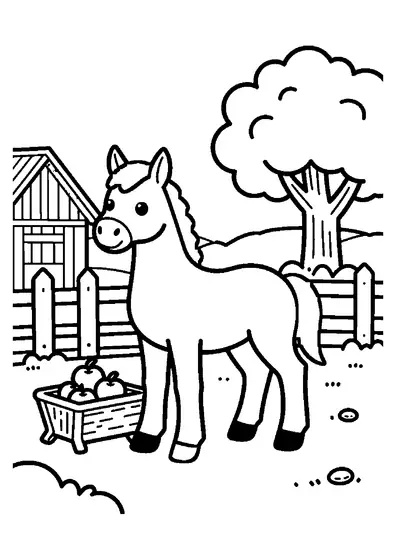
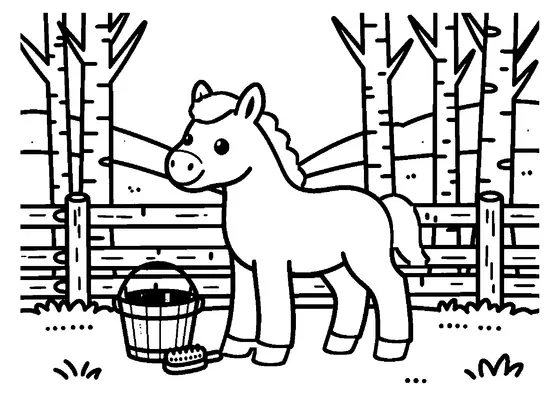
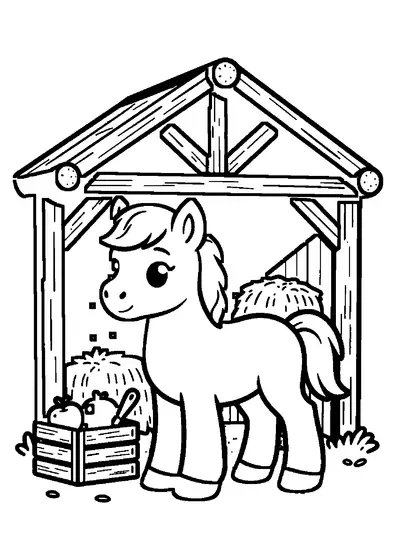
A young horse stands near wooden beehives situated beside a quiet oak forest.

A4 format (portrait), black outlines on a white background · for home and classroom use
All coloring pages: Foal Coloring Pages
Similar coloring pages: Foal Coloring Pages


What else can you print? Free, no account needed
Custom Name Coloring Pages
Enter your child's name to generate a custom coloring page featuring large outline letters to color and decorate.
Open generator →Connect the Dots Generator
Eight connect-the-dots pictures across three difficulty levels. Features faint outline guides for younger children and dots only for older kids.
Open generator →Printables
Worksheets, tracing lines, mazes and dot-to-dots in A4.
Browse printables →
A Young Foal Near Wooden Apiaries at the Forest Edge
This scene depicts a young foal positioned near wooden beehives located at the border of an oak forest. Country apiaries are often placed in peaceful natural settings where flowering vegetation and trees are abundant.
Honeybees and Forest Border Habitats
Oak forests provide shelter and abundant plant life, creating favorable conditions for beekeepers to place hives nearby. Honeybees travel up to several miles from their hives to gather nectar from wildflowers, trees, and shrubs growing along woodland edges. Young horses roaming near pastures often encounter these quiet agricultural structures during their daily routines.
Real Colors of Foals and Forest Apiaries
- Foal coat: chestnut, bay, black, or gray, often lighter around the muzzle
- Foal mane and tail: dark brown, blonde, or matching the body shade
- Beehives: weathered brown wood or painted white, light yellow, or pastel shades to deflect heat
- Oak trees: deep green leaves during spring and summer, turning golden brown in autumn