
Foal Beside a Stone Trough in the Courtyard
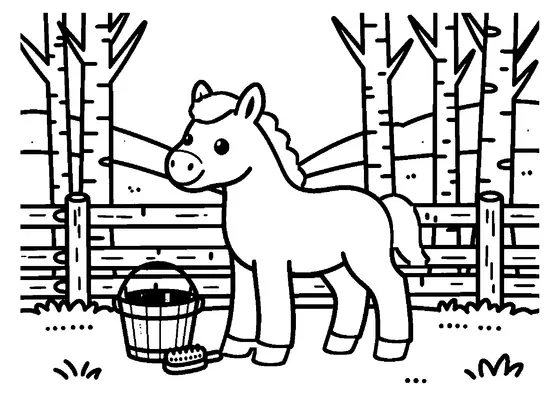
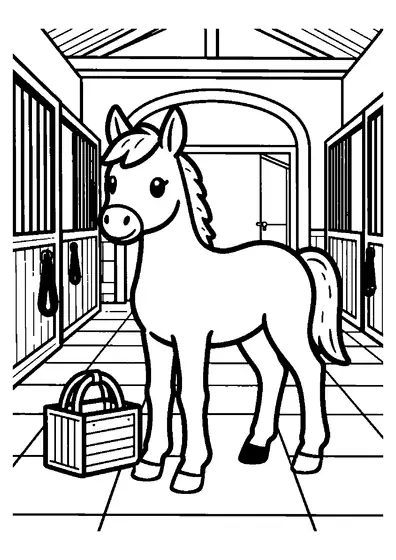
A young equine rests near a carved masonry water basin located in an open farmyard enclosure.

A4 format (portrait), black outlines on a white background · for home and classroom use
All coloring pages: Foal Coloring Pages
Similar coloring pages: Foal Coloring Pages



What else can you print? Free, no account needed
Custom Name Coloring Pages
Enter your child's name to generate a custom coloring page featuring large outline letters to color and decorate.
Open generator →Connect the Dots Generator
Eight connect-the-dots pictures across three difficulty levels. Features faint outline guides for younger children and dots only for older kids.
Open generator →Printables
Worksheets, tracing lines, mazes and dot-to-dots in A4.
Browse printables →
Young Horse Near a Courtyard Water Basin
A young foal remains near a carved stone water trough situated within a stable courtyard. Courtyards serve as central gathering areas on historic farms, offering fresh water sources for domestic animals. Carved masonry basins have provided reliable drinking spots for livestock across farmsteads for generations.
The History of Stone Watering Troughs
Before modern plumbing and automatic drinkers were invented, carved stone troughs were essential fixtures in every equestrian courtyard. Heavy granite or limestone basins kept collected spring water cool even during warm summer days. Today, many historical farmsteads preserve these stone basins as timeless architectural landmarks.
Authentic Colors of Stone Structures and Horses
- Carved stone trough: Weathered gray, muted granite, or earthy beige
- Water inside trough: Clear blue with subtle greenish reflections
- Courtyard cobblestones: Slate gray, charcoal, and warm ochre tones
- Foal muzzle: Soft pinkish gray or dark velvet skin around nostrils
- Foal mane and tail: Deep black, flaxen blonde, or matching coat shades