
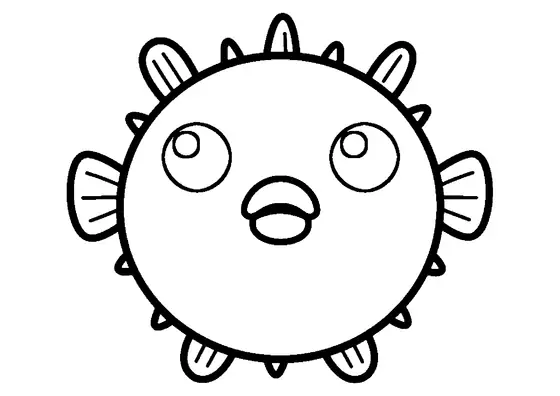
Jellyfish Floating Upright
A marine illustration featuring a sea creature positioned vertically in open ocean waters.

A4 format (portrait), black outlines on a white background · for home and classroom use
All coloring pages: Fish and Ocean Life Coloring Pages
Similar coloring pages: Fish and Ocean Life Coloring Pages




What else can you print? Free, no account needed
Custom Name Coloring Pages
Enter your child's name to generate a custom coloring page featuring large outline letters to color and decorate.
Open generator →Connect the Dots Generator
Eight connect-the-dots pictures across three difficulty levels. Features faint outline guides for younger children and dots only for older kids.
Open generator →Printables
Worksheets, tracing lines, mazes and dot-to-dots in A4.
Browse printables →
Upright Jellyfish in the Center
A friendly jellyfish floats vertically in the middle of the frame. Long, wavy arms and tentacles branch out below its broad bell, positioned against a plain, uncluttered backdrop.
Remarkable Traits of Ocean Jellyfish
Jellyfish have drifted through Earth's ocean waters for more than 500 million years, making them older than dinosaurs. They lack a brain, heart, or bones, relying instead on a simple network of nerves to detect light, currents, and surrounding prey. Floating vertically helps many species navigate gentle ocean currents while hunting for micro-plankton.
Colors of Natural Jellyfish
- Bell: semi-transparent white or pale blue, sometimes displaying delicate pink rim patterns
- Tentacles: soft violet or translucent yellow, depending on the specific ocean species
- Oral arms: subtle lavender or milky cream shade
- Stinging threads: faint silver-gray tone under bright underwater lighting