
Schnauzer by the Riverbank
A distinctive bearded schnauzer stands along a grassy riverbank surrounded by trees.

A4 format (landscape), black outlines on a white background · for home and classroom use
All coloring pages: Dog Coloring Pages
Similar coloring pages: Dog Coloring Pages


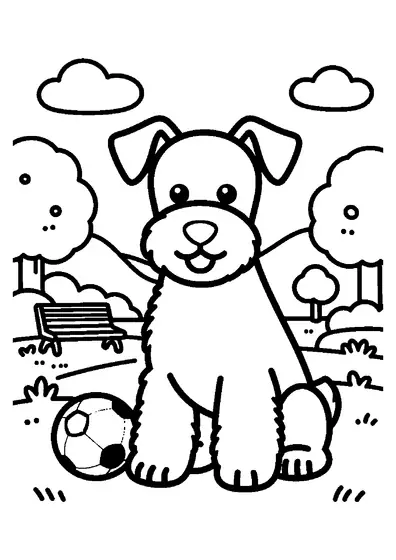
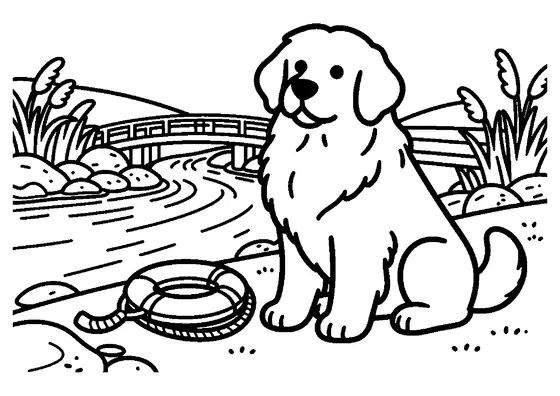

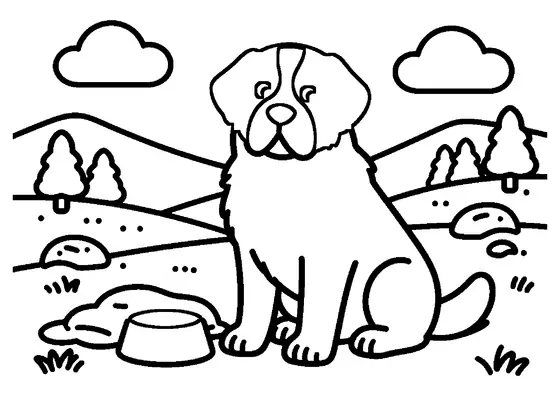
What else can you print? Free, no account needed
Custom Name Coloring Pages
Enter your child's name to generate a custom coloring page featuring large outline letters to color and decorate.
Open generator →Connect the Dots Generator
Eight connect-the-dots pictures across three difficulty levels. Features faint outline guides for younger children and dots only for older kids.
Open generator →Printables
Worksheets, tracing lines, mazes and dot-to-dots in A4.
Browse printables →
A Schnauzer Exploring a Riverbank Environment
A bearded schnauzer stands near the edge of a flowing river. Green grass lines the riverbank while mature trees frame the background, and a wooden stick along with a toy ball lie on the ground near the dog.
Natural Habits of Schnauzers
Schnauzers originated in Germany as versatile farm dogs trained to guard property and hunt small pests. Their iconic beard and bushy eyebrows protected their faces from dense brush and thorns. Riversides offer rich sensory environments where these curious dogs enjoy exploring scent trails in tall grass.
Natural Colors of the Scene
- Schnauzer coat: salt and pepper gray, solid black, or silver
- Schnauzer beard and eyebrows: light gray or white highlights
- River water: shades of blue, green, or reflective gray
- Grass and foliage: vibrant green with earthy brown soil
- Tree trunks: dark brown or gray bark
- Wooden stick: natural tan, brown, or weathered gray