
Puppy in a Woodland Fort Made of Branches
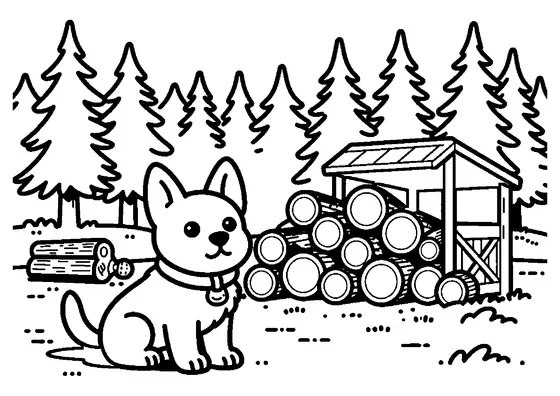
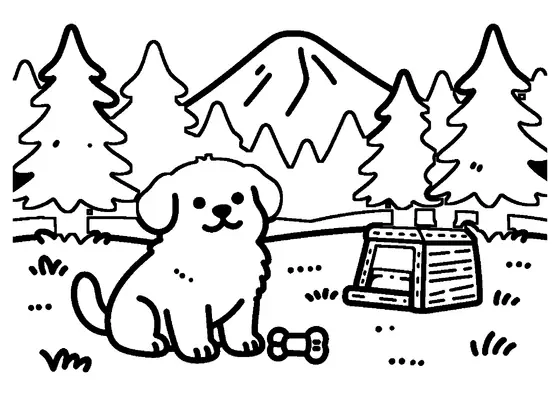
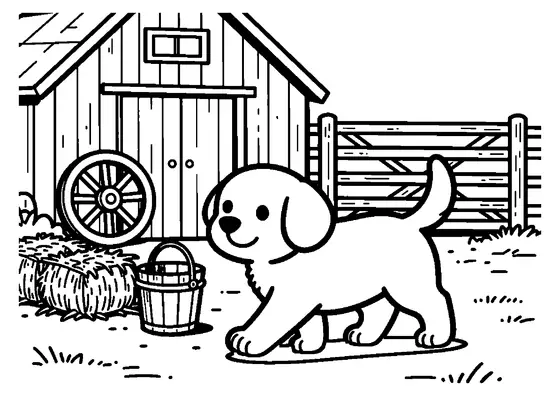
A curious young dog looks out from a woodland hideout constructed from fallen tree branches beside a pine cone and stick.

A4 format (portrait), black outlines on a white background · for home and classroom use
All coloring pages: Puppy Coloring Pages
Similar coloring pages: Puppy Coloring Pages



What else can you print? Free, no account needed
Custom Name Coloring Pages
Enter your child's name to generate a custom coloring page featuring large outline letters to color and decorate.
Open generator →Connect the Dots Generator
Eight connect-the-dots pictures across three difficulty levels. Features faint outline guides for younger children and dots only for older kids.
Open generator →Printables
Worksheets, tracing lines, mazes and dot-to-dots in A4.
Browse printables →
Forest Fort Branch Hideout
Deep within a woodland landscape, a small dog peeks from inside a fort constructed using natural fallen branches. Scattered along the forest floor around the wooden structure, a pine cone and a stray stick complement the rustic environment.
Natural Shelters in Forest Ecosystems
Forest floors contain abundant organic materials like fallen branches, pine cones, and twigs that drop naturally from evergreen trees. Pine cones act as protective cases for pine seeds, opening up when conditions are dry to release seeds for new growth. Constructing small shelters from fallen wood allows forest wildlife to find shade and protection from predators.
Colors of Woodland Trees and Forest Objects
- Woodland branches: Dark bark brown with grayish patches
- Pine cone: Rich chestnut brown or woody tan
- Forest floor stick: Weathered tan or damp brown wood
- Puppy eyes: Dark brown or hazel amber
- Forest ground foliage: Earthy green moss and brown leaf litter