
Puppy in a Country Mead Cellar by a Wooden Barrel
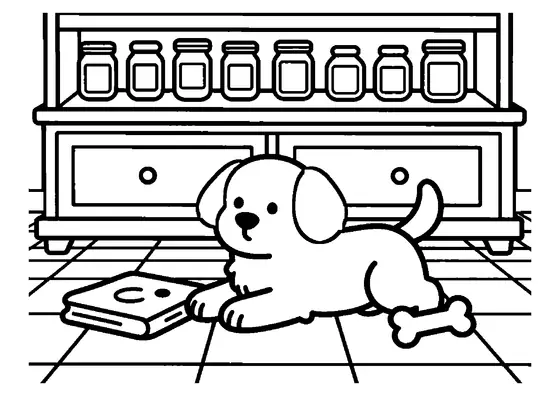
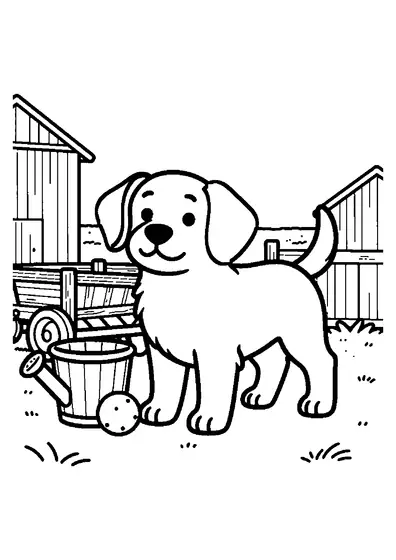
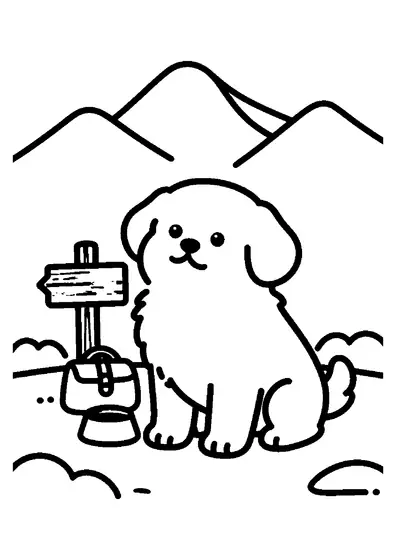
A curious dog visits a stone mead cellar beside a traditional oak storage barrel and an earthenware jug.

A4 format (portrait), black outlines on a white background · for home and classroom use
All coloring pages: Puppy Coloring Pages
Similar coloring pages: Puppy Coloring Pages


What else can you print? Free, no account needed
Custom Name Coloring Pages
Enter your child's name to generate a custom coloring page featuring large outline letters to color and decorate.
Open generator →Connect the Dots Generator
Eight connect-the-dots pictures across three difficulty levels. Features faint outline guides for younger children and dots only for older kids.
Open generator →Printables
Worksheets, tracing lines, mazes and dot-to-dots in A4.
Browse printables →
Inside a Rustic Mead Cellar with a Dog
Mead cellars are cool underground storage spaces designed to ferment and age honey wine in wooden barrels. Historically, these cellars maintained stable temperatures year-round using thick stone walls and damp earth. A puppy resting beside oak aging casks and clay vessels offers a glimpse into traditional craft beverage making.
Traditional Mead Cellar Knowledge
Mead is one of humanity's oldest fermented beverages, made primarily from raw honey, water, and yeast. Aging cellars rely on heavy oak barrels bound with metal hoops to allow tiny amounts of oxygen to interact with the aging liquid over several months or years. Clay jugs and stoneware vessels were historically used to store finished mead because fired clay provides a durable container that shields liquid from light degradation.
True Colors of a Mead Cellar Scene
- Puppy coat: chocolate brown, black, white, or golden yellow
- Oak barrel: aged wood brown, weathered gray timber, and dark iron hoops
- Clay jug: reddish terracotta, unglazed tan, or earthy brown clay
- Cellar stone wall: charcoal gray, muted slate, or sandy limestone