
Rottweiler at a Country Forge with an Anvil
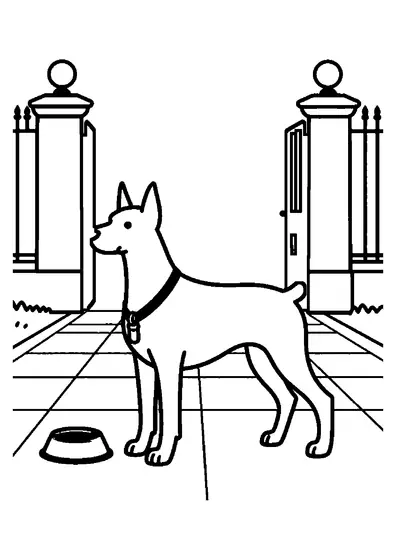
A powerful rottweiler stands near a blacksmith anvil and iron tongs in a traditional country forge.

A4 format (landscape), black outlines on a white background · for home and classroom use
All coloring pages: Dog Breed Coloring Pages
Similar coloring pages: Dog Breed Coloring Pages





What else can you print? Free, no account needed
Custom Name Coloring Pages
Enter your child's name to generate a custom coloring page featuring large outline letters to color and decorate.
Open generator →Connect the Dots Generator
Eight connect-the-dots pictures across three difficulty levels. Features faint outline guides for younger children and dots only for older kids.
Open generator →Printables
Worksheets, tracing lines, mazes and dot-to-dots in A4.
Browse printables →
Rottweilers in Historical Country Forges
A muscular rottweiler observes the equipment in a rustic blacksmith forge. Blacksmiths used heavy metal anvils, glowing hearth fire, and long-handled tongs to shape hot iron into tools, horseshoes, and wagon fittings. The strength of the rottweiler breed reflects the hard-working heritage of rural metalworking shops.
History of Rottweilers and Blacksmithing
Rottweilers trace their origins back to ancient Roman cattle-driving dogs, later refined in the German town of Rottweil to herd livestock and guard butcher carts. Blacksmiths relied on heavy iron anvils made of forged steel, which produce a distinct ringing sound when struck by a hammer. Tongs allowed smiths to hold red-hot iron safely over open forge fires.
True Colors of the Forge Environment
- Rottweiler markings: rich black coat with rust or mahogany tan points
- Blacksmith anvil: dark steel gray, charcoal, or worn iron silver
- Metalworking tongs: dark iron, soot black, or weathered gray metal
- Forge stone hearth: slate gray, ash brown, or soot-stained brick