
Bedlington Terrier in a Country Farmyard
A unique Bedlington Terrier stands near a farmyard barn next to a basket filled with fresh apples.

A4 format (portrait), black outlines on a white background · for home and classroom use
All coloring pages: Dog Breed Coloring Pages
Similar coloring pages: Dog Breed Coloring Pages


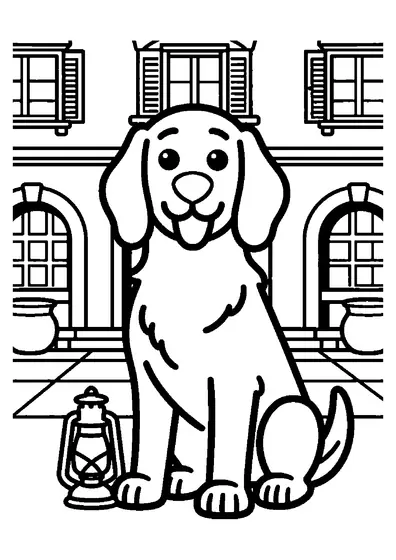

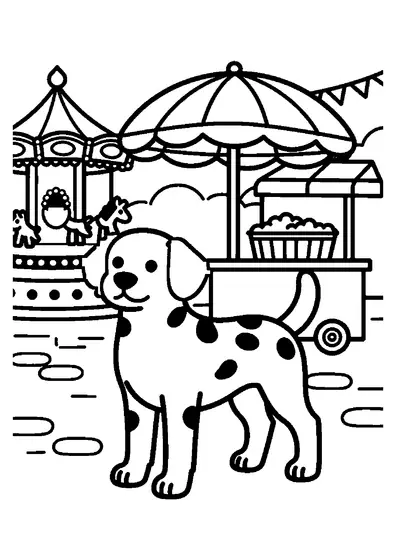
What else can you print? Free, no account needed
Custom Name Coloring Pages
Enter your child's name to generate a custom coloring page featuring large outline letters to color and decorate.
Open generator →Connect the Dots Generator
Eight connect-the-dots pictures across three difficulty levels. Features faint outline guides for younger children and dots only for older kids.
Open generator →Printables
Worksheets, tracing lines, mazes and dot-to-dots in A4.
Browse printables →
A Bedlington Terrier on the Farm
A distinct Bedlington Terrier stands in a rural farmyard near a barn. A woven basket packed with harvested apples sits close to the dog, reflecting classic agricultural surroundings.
Features of the Bedlington Terrier
Despite its gentle, lamb-like appearance with crisp curly fur and a narrow head crest, the Bedlington Terrier was originally bred in northern England for hunting vermin and working in harsh environments. Their coats are an unusual mixture of hard and soft hair that stands off from the skin rather than lying flat. Farmers valued their agility, intelligence, and high endurance on homesteads.
Real Colors of the Bedlington Terrier and Farm Yard
- Bedlington coat: blue, sandy, liver, or combinations of sandy and tan
- Terrier nose: black on blue-coated dogs or dark brown on liver-colored dogs
- Fresh apples: bright red, green, or yellow skin tones
- Woven basket: light tan reed, pale brown wicker, or dried willow wood
- Barn structure: classic barn red, weathered wood brown, or faded gray siding