
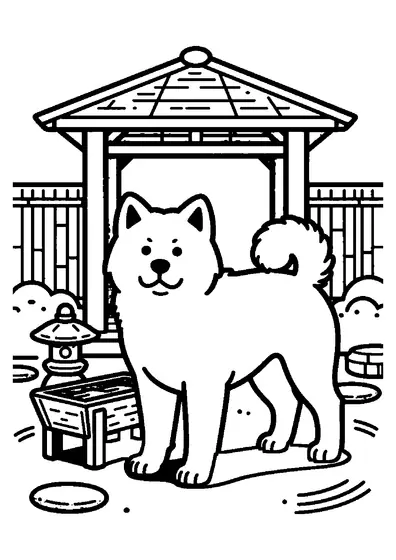
Boxer in a Farmyard
A muscular Boxer dog stays near a classic horse-drawn wooden cart inside a spacious farmyard.

A4 format (landscape), black outlines on a white background · for home and classroom use
All coloring pages: Dog Coloring Pages
Similar coloring pages: Dog Coloring Pages

What else can you print? Free, no account needed
Custom Name Coloring Pages
Enter your child's name to generate a custom coloring page featuring large outline letters to color and decorate.
Open generator →Connect the Dots Generator
Eight connect-the-dots pictures across three difficulty levels. Features faint outline guides for younger children and dots only for older kids.
Open generator →Printables
Worksheets, tracing lines, mazes and dot-to-dots in A4.
Browse printables →
Boxer Dog on a Traditional Farm Yard
A Boxer dog positioned beside a horse-drawn cart illustrates a strong utility dog in a historic agricultural setting. Before motor vehicles existed, horse-drawn carts were the primary means of hauling farm produce, tools, and firewood across farmsteads and rural market roads.
Working Background of the Boxer Breed
Developed in Germany in the late nineteenth century from older hunting breeds, Boxers were bred for strength, agility, and powerful jaws. Their high energy, loyal nature, and protective instincts quickly made them popular multipurpose working dogs on farms and rural properties.
True Colors of a Boxer and Farm Equipment
- Boxer dog coat: Fawn yellow-brown or dark brindle stripes with a black muzzle mask
- Chest and paw markings: Clean white patches on the chest and lower legs
- Horse-drawn cart: Weathered brown oak wood with gray iron-rimmed wheels
- Farmyard ground: Earthy tan dirt, light gray gravel, and straw patches