
Beagle at the Vet Clinic
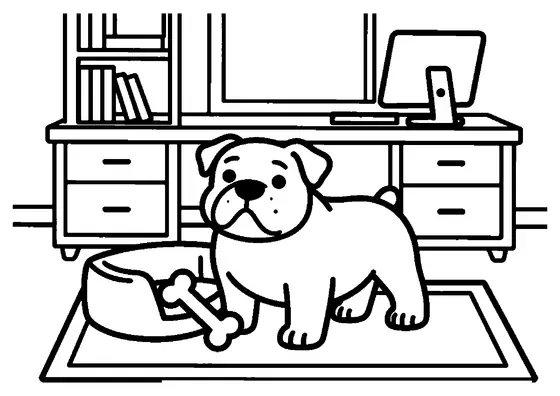
A friendly hound waits comfortably beside soft resting accessories inside a bright veterinary office.

A4 format (portrait), black outlines on a white background · for home and classroom use
All coloring pages: Dog Coloring Pages
Similar coloring pages: Dog Coloring Pages



What else can you print? Free, no account needed
Custom Name Coloring Pages
Enter your child's name to generate a custom coloring page featuring large outline letters to color and decorate.
Open generator →Connect the Dots Generator
Eight connect-the-dots pictures across three difficulty levels. Features faint outline guides for younger children and dots only for older kids.
Open generator →Printables
Worksheets, tracing lines, mazes and dot-to-dots in A4.
Browse printables →
Beagles Resting in Veterinary Waiting Rooms
Domestic hounds visit veterinary clinics for routine wellness checkups and preventative health care. A dog resting on a floor cushion beside a favorite toy bone remains relaxed while waiting for a medical professional. Comfortable waiting areas help pets feel safe and calm prior to their health examination.
Outstanding Scent Abilities of Beagle Hounds
Beagles possess roughly two hundred million scent receptors in their noses, making their sense of smell thousands of times more sensitive than that of humans. Their long, floppy ears actually help sweep scent particles from the ground directly toward their noses while tracking scents.
Typical Colors of Beagles and Clinic Interiors
- Beagle coat: combination of white, black, and warm tan markings
- Beagle nose: solid black or dark liver brown
- Waiting room cushion: deep blue, red, or patterned fabric
- Toy bone: cream, light beige, or natural rubber tan