
Kitten Beside a Wooden Honey Stand at the Market
A small cat visits a bustling country market counter displaying traditional earthenware jars of fresh honey.

A4 format (landscape), black outlines on a white background · for home and classroom use
All coloring pages: Kitten Coloring Pages
Similar coloring pages: Kitten Coloring Pages
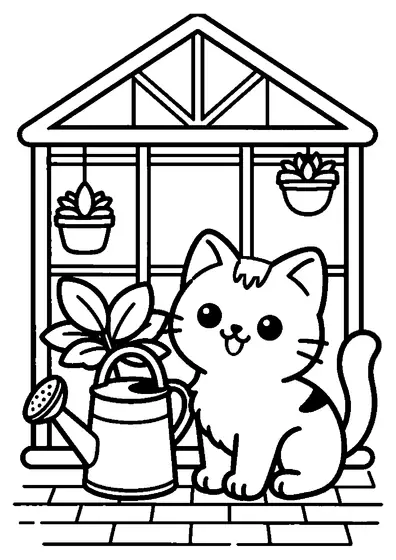
Little Kitten Beside a Metal Watering Can in a Greenhouse
Little Kitten Beside a Fruit Crate in a Plum Orchard
Fluffy Kitten Beside a Brass Inkwell in an Old Bookshop
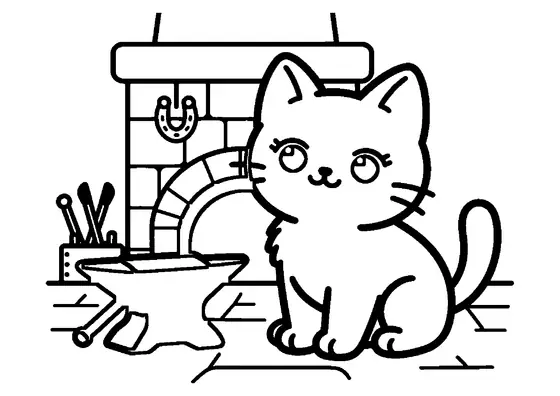
Kitten Beside a Wooden Anvil in a Country Blacksmith Shop
Little Kitten by a Brass Bell Outside a Country Schoolhouse
Kitten by a Wooden Fence in a Lavender Garden




What else can you print? Free, no account needed
Custom Name Coloring Pages
Enter your child's name to generate a custom coloring page featuring large outline letters to color and decorate.
Open generator →Connect the Dots Generator
Eight connect-the-dots pictures across three difficulty levels. Features faint outline guides for younger children and dots only for older kids.
Open generator →Printables
Worksheets, tracing lines, mazes and dot-to-dots in A4.
Browse printables →
Traditional Honey Stands at Open-Air Markets
Open-air markets feature wooden stalls where local beekeepers sell raw honey and bee products. Earthenware clay pots and wooden dippers were historically used to store and serve liquid honey cleanly. Market stalls often attract curious animals from nearby farms as shoppers browse the goods.
How Natural Honey Is Stored and Served
Honey is one of the few natural foods that never spoils when kept in sealed containers. Earthenware clay pots shield honey from light, helping maintain its original flavor and texture over time. Grooved wooden dippers allow liquid honey to be gathered without dripping all over the table.
Authentic Colors of a Market Honey Display
- Kitten fur: cream, tortoiseshell, calico pattern, or sleek gray
- Clay honey pot: terracotta orange, natural clay reddish-brown, or glazed yellow
- Honey dipper: light wood, golden maple, or natural birch timber
- Natural honey: golden amber, pale yellow, or deep reddish brown
- Market stand counter: aged oak brown, weather-beaten gray, or warm pine