
Sphynx Cat in a Greenhouse
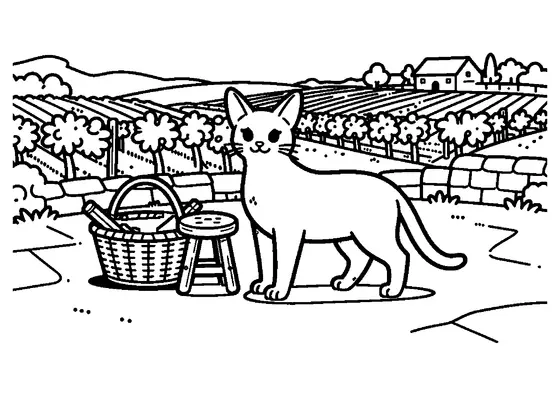
A hairless Sphynx cat explores a warm greenhouse filled with potted plants and garden accessories.

A4 format (portrait), black outlines on a white background · for home and classroom use
All coloring pages: Cat Breed Coloring Pages
Similar coloring pages: Cat Breed Coloring Pages




What else can you print? Free, no account needed
Custom Name Coloring Pages
Enter your child's name to generate a custom coloring page featuring large outline letters to color and decorate.
Open generator →Connect the Dots Generator
Eight connect-the-dots pictures across three difficulty levels. Features faint outline guides for younger children and dots only for older kids.
Open generator →Printables
Worksheets, tracing lines, mazes and dot-to-dots in A4.
Browse printables →
Sphynx Cat Among Greenhouse Plants
A Sphynx cat stands inside a sunlit greenhouse filled with growing plants. Gardening items, including a watering can and a flowerpot, rest among the greenery.
Why Hairless Cats Love Warm Greenhouses
Sphynx cats lack a traditional fur coat, which makes them seek out warm places such as sunlit plant rooms and heated interiors. Their skin radiates heat faster than furred breeds, so they prefer cozy ambient temperatures above seventy-five degrees Fahrenheit. In warm environments, these playful cats remain energetic and curious about their surroundings.
Natural Colors of a Sphynx Cat and Garden Supplies
- Sphynx cat skin: Pinkish-peach, pale cream, slate gray, or mottled pattern
- Sphynx cat eyes: Lemon yellow, pale green, or icy blue
- Flowerpot: Classic terracotta clay orange or ceramic red
- Watering can: Galvanized silver metal, forest green, or dark blue
- Greenhouse plants: Rich emerald green, olive, or vibrant lime foliage