
British Shorthair Cat in an English Sewing Studio
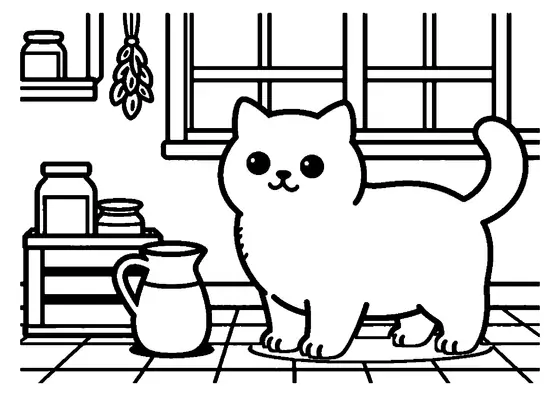
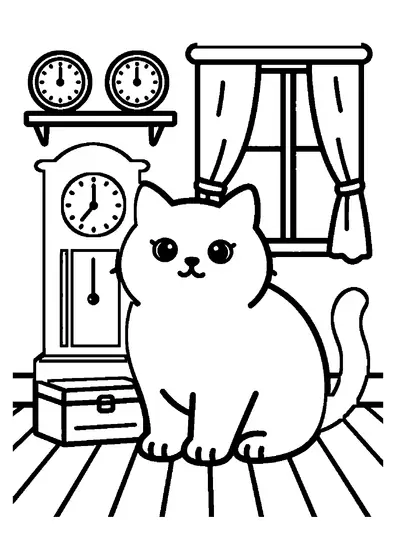
An indoor scene depicts a British Shorthair cat resting inside a quiet English sewing workshop with spools and folded fabric.

A4 format (landscape), black outlines on a white background · for home and classroom use
All coloring pages: Cat Breed Coloring Pages
Similar coloring pages: Cat Breed Coloring Pages




What else can you print? Free, no account needed
Custom Name Coloring Pages
Enter your child's name to generate a custom coloring page featuring large outline letters to color and decorate.
Open generator →Connect the Dots Generator
Eight connect-the-dots pictures across three difficulty levels. Features faint outline guides for younger children and dots only for older kids.
Open generator →Printables
Worksheets, tracing lines, mazes and dot-to-dots in A4.
Browse printables →
British Shorthair Cat in a Craft Studio
This illustration depicts a solid British Shorthair cat inside a traditional English sewing studio. Spools of thread and folded craft fabric rest near the cat in a cozy indoor workroom.
Facts About British Shorthairs and Textile Studios
The British Shorthair is one of the oldest recognizable cat breeds, historically kept in English homes and shops to guard stored goods. Sewing studios in England gained popularity during the Industrial Revolution when home tailoring became a widespread domestic trade. The dense, plush coat of this cat breed is often compared to a firm velvet carpet due to its thick undercoat.
Real World Colors
- British Shorthair fur: Blue-gray, cream, silver tabby, or chocolate brown
- Cat eyes: Deep amber, gold, or copper
- Thread spools: Natural birch wood with colorful cotton threads like maroon or navy
- Studio fabric: Pastel cotton, floral prints, or unbleached linen tone