
Meissner Lop Rabbit by a Brick Icehouse
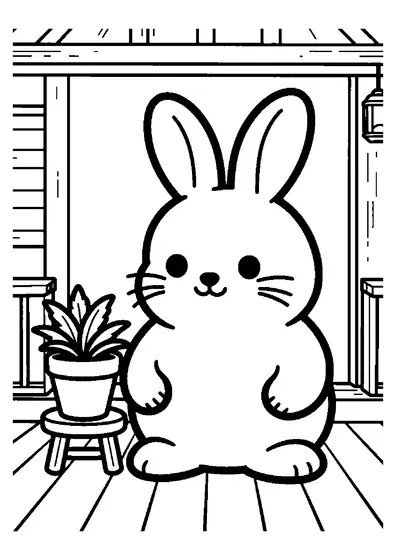
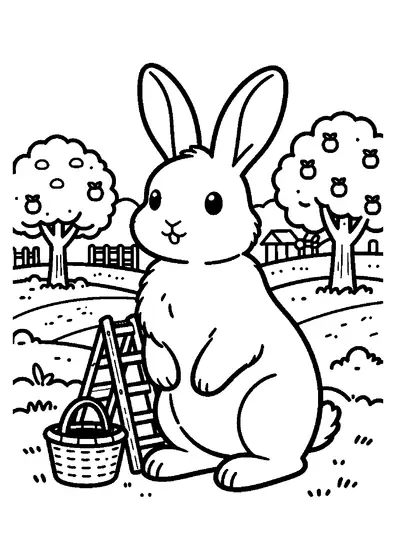
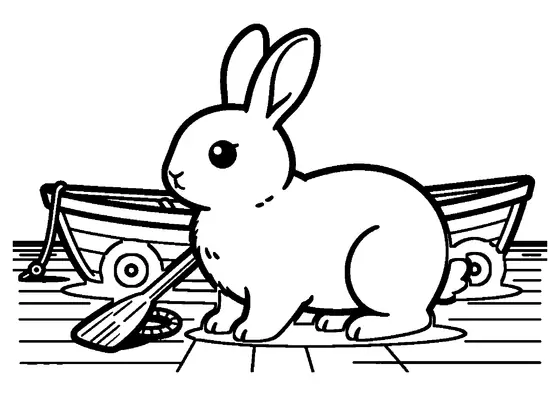
A floppy-eared Meissner Lop rabbit sits beside a woven wicker basket near the entrance of a historic brick garden icehouse.

A4 format (portrait), black outlines on a white background · for home and classroom use
All coloring pages: Bunny Coloring Pages
Similar coloring pages: Bunny Coloring Pages



What else can you print? Free, no account needed
Custom Name Coloring Pages
Enter your child's name to generate a custom coloring page featuring large outline letters to color and decorate.
Open generator →Connect the Dots Generator
Eight connect-the-dots pictures across three difficulty levels. Features faint outline guides for younger children and dots only for older kids.
Open generator →Printables
Worksheets, tracing lines, mazes and dot-to-dots in A4.
Browse printables →
Meissner Lop Rabbits and Historical Garden Architecture
The Meissner Lop rabbit is a German breed distinguished by its drooping ears and silver-tipped coat. In estate gardens of the past, brick icehouses were partially submerged masonry structures designed to store natural winter ice through the summer months.
The Function of Estate Garden Icehouses
Before modern refrigeration, wealthy estates built insulated brick icehouses into shaded hillsides or earth mounds. Ice cut from frozen ponds in winter was packed inside deep subterranean brick vaults, keeping food and ice preserved for many months.
Realistic Colors of the Meissner Lop Rabbit and Icehouse Setting
- Meissner Lop rabbit coat: silvered black, blue, yellow, or Havana brown
- Rabbit inner ears: soft pale pinkish gray
- Wicker basket: natural golden reed, straw yellow, or dried willow brown
- Brick icehouse wall: aged crimson red, burnt orange, or muted brown brick
- Icehouse mortar: light gray or beige lime plaster