
Lop-Eared Rabbit by a Beehive in a Hollyhock Garden
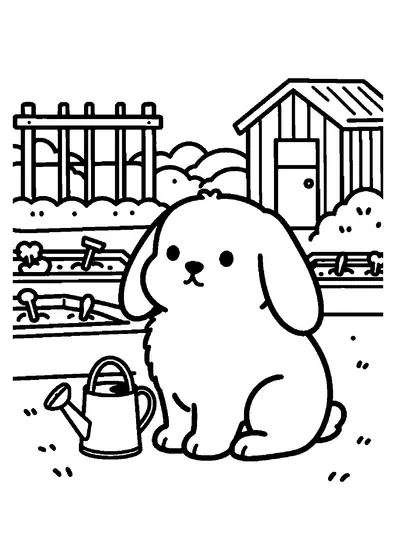
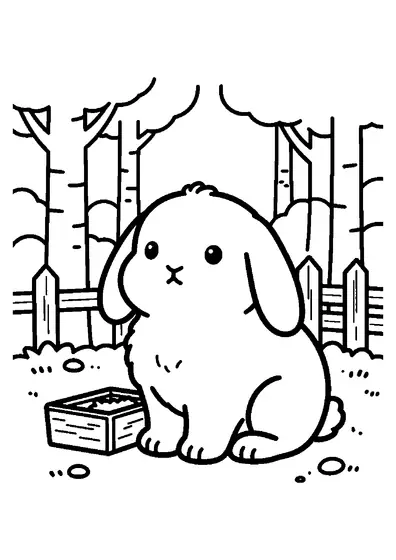
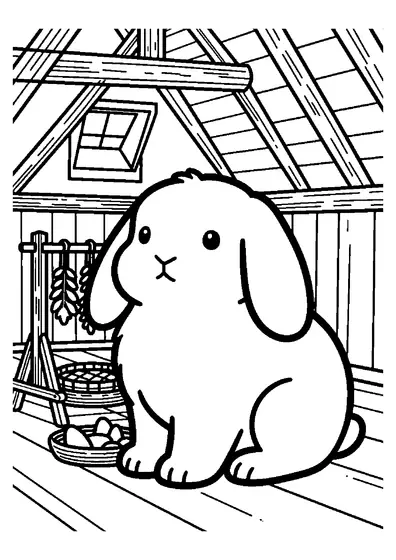
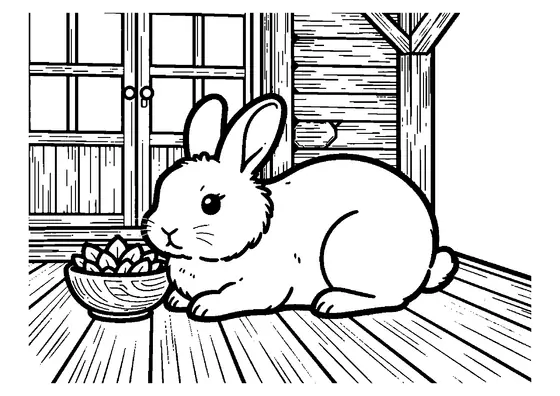
A lop-eared rabbit explores a peaceful country garden while sitting next to a wooden beehive surrounded by tall hollyhocks.

A4 format (portrait), black outlines on a white background · for home and classroom use
All coloring pages: Bunny Coloring Pages
Similar coloring pages: Bunny Coloring Pages


What else can you print? Free, no account needed
Custom Name Coloring Pages
Enter your child's name to generate a custom coloring page featuring large outline letters to color and decorate.
Open generator →Connect the Dots Generator
Eight connect-the-dots pictures across three difficulty levels. Features faint outline guides for younger children and dots only for older kids.
Open generator →Printables
Worksheets, tracing lines, mazes and dot-to-dots in A4.
Browse printables →
A Lop-Eared Rabbit in a Blooming Hollyhock Garden
In this peaceful backyard scene, a rabbit with floppy ears rests near a wooden beehive structure. Tall hollyhock plants bloom along the edge of the garden, creating a natural setting filled with flowers and rural charm.
Fascinating Characteristics of Lop Rabbits and Gardens
Lop-eared rabbits are characterized by their distinctive drooping ears, which fold downward beside their cheeks rather than standing upright. Hollyhocks are classic cottage garden flowers that grow on tall, sturdy stalks, often reaching heights of up to eight feet. These vibrant flowering plants attract honeybees, which collect nectar to produce honey inside nearby hives.
Genuine Colors of Rabbits, Beehives, and Hollyhocks
- Lop-eared rabbit coat: natural shades vary from chestnut brown and fawn to gray, white, or broken patches
- Wooden beehive: raw timber is light brown, though farm beehives are frequently painted white or soft yellow
- Hollyhock blossoms: flower petals bloom in vibrant shades of pink, crimson, magenta, yellow, or deep purple
- Hollyhock leaves and stems: sturdy foliage exhibits rich forest green or sage green tones
- Rabbit nose and inner ears: soft pink skin tones show around the muzzle and ear linings