
Fluffy Rabbit by a Stone Garden Wall
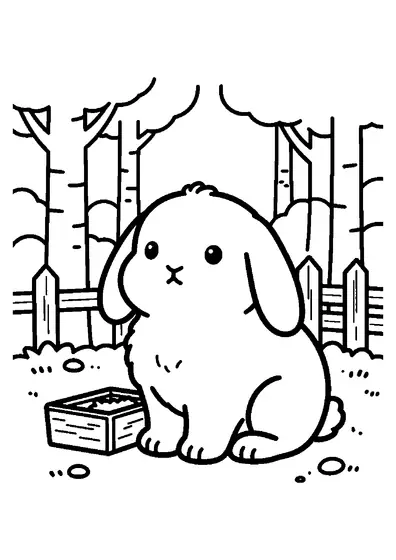
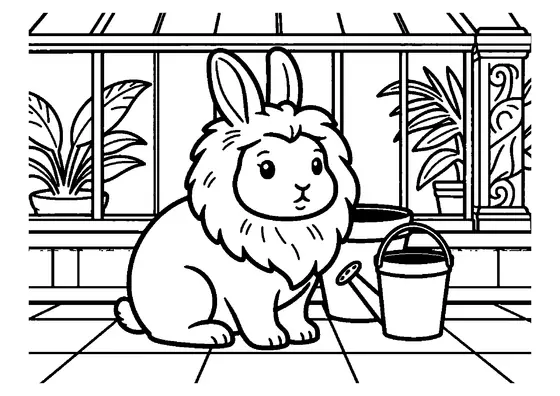
A curious fluffy rabbit sits beside potted herbs beneath an ivy-covered stone wall in a quiet backyard garden.

A4 format (portrait), black outlines on a white background · for home and classroom use
All coloring pages: Bunny Coloring Pages
Similar coloring pages: Bunny Coloring Pages




What else can you print? Free, no account needed
Custom Name Coloring Pages
Enter your child's name to generate a custom coloring page featuring large outline letters to color and decorate.
Open generator →Connect the Dots Generator
Eight connect-the-dots pictures across three difficulty levels. Features faint outline guides for younger children and dots only for older kids.
Open generator →Printables
Worksheets, tracing lines, mazes and dot-to-dots in A4.
Browse printables →
A Rabbit Beside an Ivy-Covered Stone Wall
The backyard arrangement features an inquisitive fluffy rabbit seated near terra cotta herb pots. Behind the animal, an old stone garden wall stands draped in green climbing ivy, creating a sheltered garden nook.
Fascinating Facts About Ivy and Garden Herbs
Climbing ivy uses tiny aerial rootlets to cling tightly to rough stone masonry without penetrating the mortar beneath. Herbal plants like thyme, rosemary, and mint release aromatic oils when touched, which naturally deters many garden pests while thriving in sunny pot arrangements.
Natural Colors of the Herb Garden Corner
- Soft rabbit coat: fawn, cinnamon brown, or dark charcoal gray
- Stone garden wall: natural granite gray, tan, or sandstone beige
- Climbing ivy leaves: deep ivy green with lighter vein lines
- Terra cotta herb pots: warm reddish-brown or burnt orange
- Fresh herb foliage: sage green, bright mint green, or basil green