
Angora Rabbit by a Woodland Animal Feeder
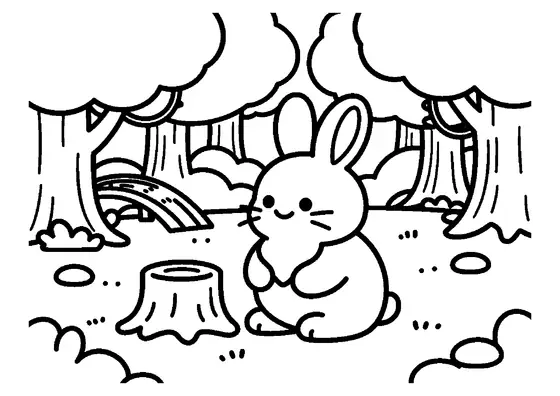
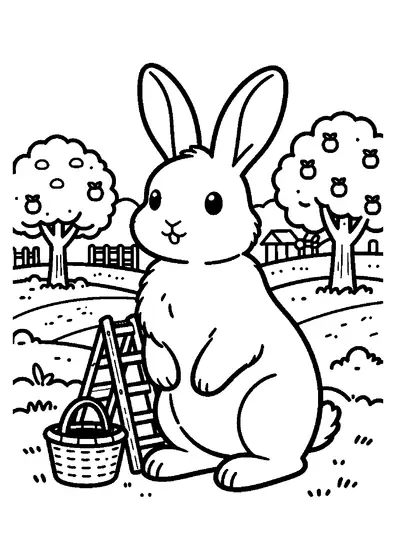
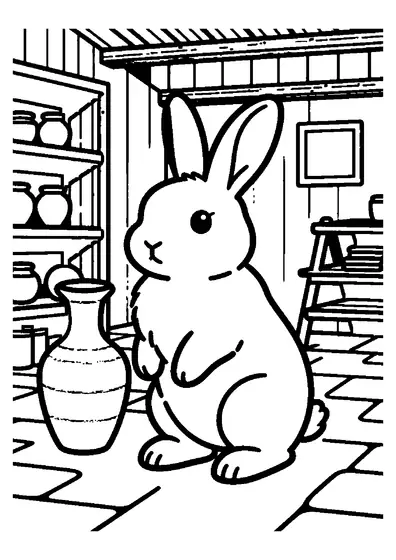
An Angora rabbit resting near a feeder in a peaceful forest setting brings a touch of nature to domestic animal scenes.

A4 format (portrait), black outlines on a white background · for home and classroom use
All coloring pages: Bunny Coloring Pages
Similar coloring pages: Bunny Coloring Pages



What else can you print? Free, no account needed
Custom Name Coloring Pages
Enter your child's name to generate a custom coloring page featuring large outline letters to color and decorate.
Open generator →Connect the Dots Generator
Eight connect-the-dots pictures across three difficulty levels. Features faint outline guides for younger children and dots only for older kids.
Open generator →Printables
Worksheets, tracing lines, mazes and dot-to-dots in A4.
Browse printables →
Angora Rabbits in Forest Environments
Angora rabbits are famous for their extremely long, soft coat of wool, which requires constant care to prevent tangling. When placed in a quiet woodland environment beside an animal feeder, these gentle creatures fit naturally into calm outdoor settings. Forest feeders provide shelter and sustenance during cold seasons for various animals, creating a welcoming spot in the woods.
Natural History of the Angora Rabbit
Originating from Ankara in Turkey, the Angora rabbit is one of the oldest domestic breeds in the world. Their thick fleece grows continuously throughout the year and was historically harvested for spinning warm, luxurious textiles. Unlike wild forest hares, domestic rabbits rely on human caretakers or protected feeding stations to stay healthy when outdoors.
Realistic Colors of the Angora Rabbit and Forest Feeder
- Angora rabbit fur: typically white, cream, soft brown, or gray
- Rabbit eyes: dark brown, blue, or pinkish red in albino varieties
- Wooden animal feeder: weathered gray, natural pine brown, or dark oak
- Woodland trees and background: deep green pine needles, brown bark, and muted forest earth