
Penguin Beneath a Glacier Arch
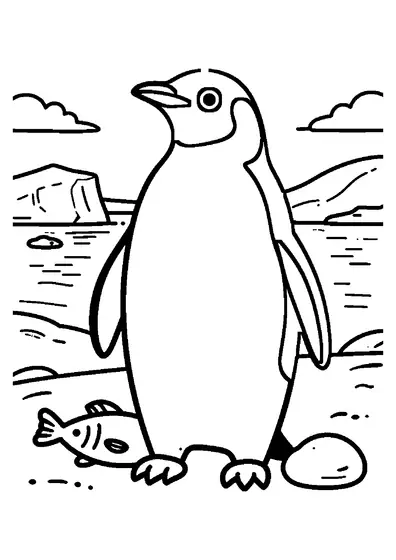
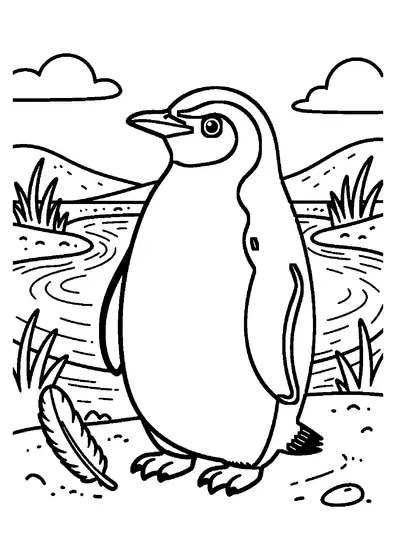
An ocean diving bird swims through cold polar waters beneath a massive glacier formation past a seashell on the seabed.

A4 format (portrait), black outlines on a white background · for home and classroom use
All coloring pages: Penguin Coloring Pages
Similar coloring pages: Penguin Coloring Pages
What else can you print? Free, no account needed
Custom Name Coloring Pages
Enter your child's name to generate a custom coloring page featuring large outline letters to color and decorate.
Open generator →Connect the Dots Generator
Eight connect-the-dots pictures across three difficulty levels. Features faint outline guides for younger children and dots only for older kids.
Open generator →Printables
Worksheets, tracing lines, mazes and dot-to-dots in A4.
Browse printables →
Underwater Penguin Swimming Below an Ice Arch
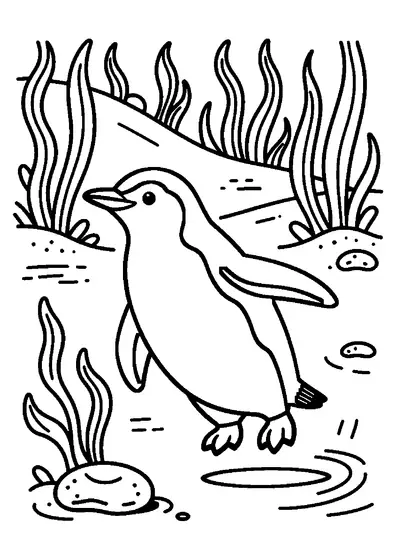
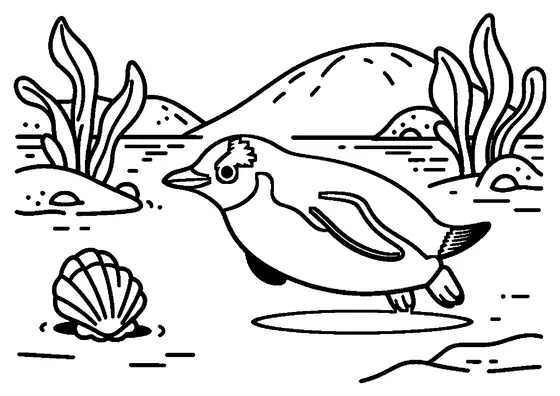
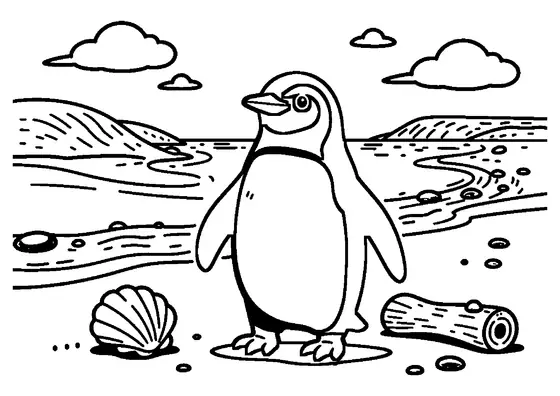
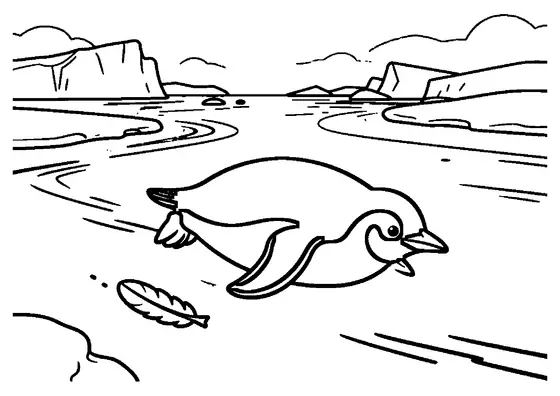
A penguin dives through the clear water of a polar sea, moving past submerged rocks, aquatic seaweed, and a seashell resting on the sea floor. Above the swimming bird, a massive arch formed from glacial ice spans across the frozen coastal waters. The marine environment underneath glaciers provides cold, nutrient-rich conditions where various sealife forms thrive.
Underwater Adaptations of Ocean Birds
Penguins are exceptional swimmers that use their modified wings as powerful underwater flippers to propel themselves forward. Their dense, waterproof feathers trap a layer of air to provide insulation against near-freezing water temperatures. Submerged rock formations and kelp beds in polar coastal zones offer rich hunting grounds for aquatic prey.
Authentic Colors of Submerged Polar Marine Life
- Penguin body: Tuxedo black on top and stark white beneath
- Glacier arch and submerged ice: Deep aqua blue, cyan, and translucent white
- Marine seaweed: Dark olive green or brownish kelp shades
- Submerged rocks: Slate gray, dark brown, or charcoal
- Seashell: Soft pink, cream, or beige