
Chinstrap Penguin in a Snowy Amphitheater
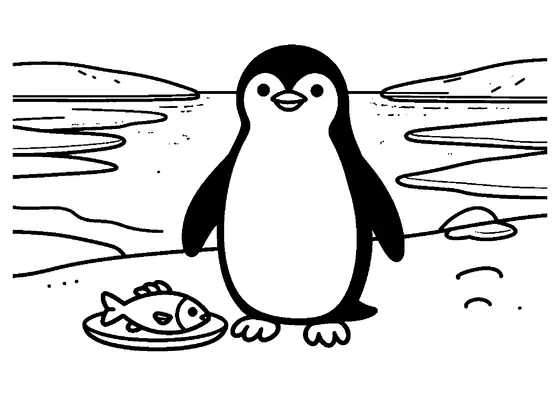
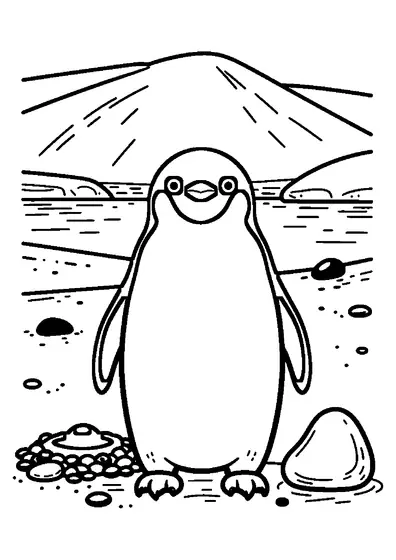
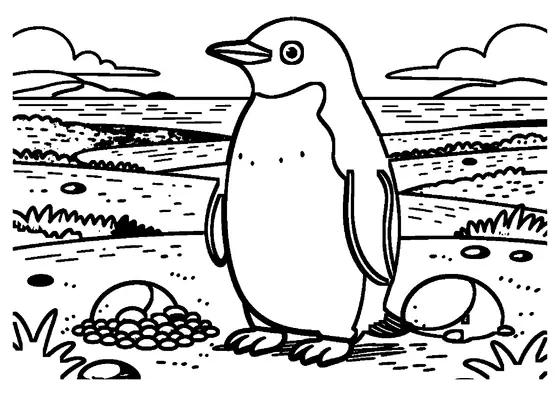
A chinstrap penguin stands near a large rock inside a natural snowy amphitheater in Antarctica.

A4 format (portrait), black outlines on a white background · for home and classroom use
All coloring pages: Penguin Coloring Pages
Similar coloring pages: Penguin Coloring Pages


What else can you print? Free, no account needed
Custom Name Coloring Pages
Enter your child's name to generate a custom coloring page featuring large outline letters to color and decorate.
Open generator →Connect the Dots Generator
Eight connect-the-dots pictures across three difficulty levels. Features faint outline guides for younger children and dots only for older kids.
Open generator →Printables
Worksheets, tracing lines, mazes and dot-to-dots in A4.
Browse printables →
Chinstrap Penguin Among Snowy Slopes
A distinct chinstrap penguin rests near a large stone surrounded by sloping walls of snow. The natural bowl shape of the snowy landscape shelters the area from strong polar winds. Chinstrap penguins thrive on rocky islands and snowy coastal inclines throughout the Subantarctic and Antarctic regions.
Life in Natural Snow Bowls
Sloped amphitheaters formed by snow and rock provide protected nesting areas for penguin colonies. The surrounding snow walls reflect sunlight, creating slightly warmer microclimates inside the basin. Penguins use these sheltered hollows to build stone nests away from exposed cliff edges.
Colors of the Chinstrap Penguin Environment
- Penguin back and cap: glossy black
- Penguin throat and belly: crisp white
- Chinstrap line: fine black band running under the chin from ear to ear
- Large stone: dark slate gray or weathered brown
- Surrounding snow walls: brilliant white with soft icy blue undertones