
Adélie Penguin by an Ice Slide
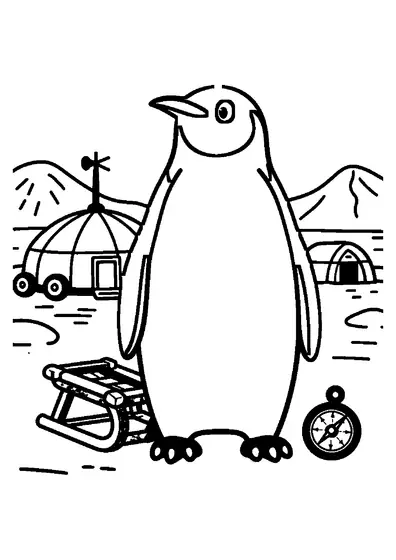
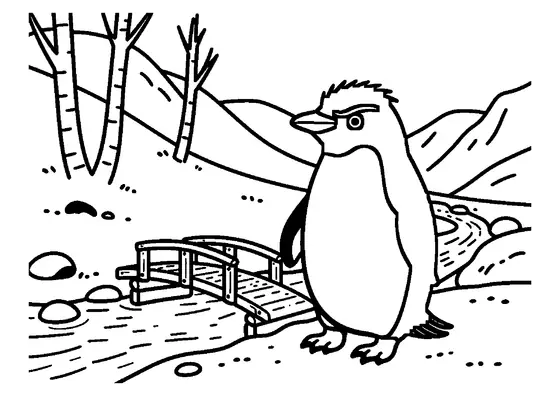
An Adélie penguin stands on coastal snow near a wooden sled and a large natural ice slide alongside the ocean.

A4 format (landscape), black outlines on a white background · for home and classroom use
All coloring pages: Penguin Coloring Pages
Similar coloring pages: Penguin Coloring Pages




What else can you print? Free, no account needed
Custom Name Coloring Pages
Enter your child's name to generate a custom coloring page featuring large outline letters to color and decorate.
Open generator →Connect the Dots Generator
Eight connect-the-dots pictures across three difficulty levels. Features faint outline guides for younger children and dots only for older kids.
Open generator →Printables
Worksheets, tracing lines, mazes and dot-to-dots in A4.
Browse printables →
Adélie Penguin on Coastal Ice
An Adélie penguin is positioned near an impressive ice slide and a small sled along the seashore. The coastal backdrop combines snow, natural ice structures, and the open polar ocean environment.
Adaptations of the Adélie Penguin
Adélie penguins are skilled swimmers that spend much of their lives hunting small marine animals near the sea ice edge. They travel across slippery frozen ground by walking, hopping across crevices, or tobogganing on their bellies across smooth ice slopes. Their compact body shape helps retain heat while navigating rugged Antarctic shorelines.
Real Colors of the Adélie Penguin and Ocean Ice
- Adélie penguin head and back: solid black
- Eye rings: distinct white circles surrounding black eyes
- Penguin belly: bright white
- Sled frame: natural brown wood or dark metal
- Ice slide: pale blue, translucent white, and clear cyan shades