
Long-Eared Owl at a Woodland Apiary
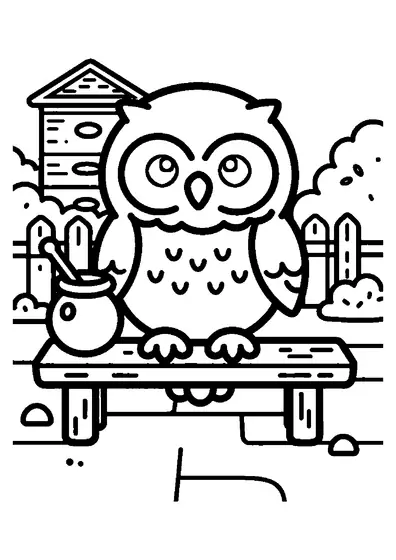
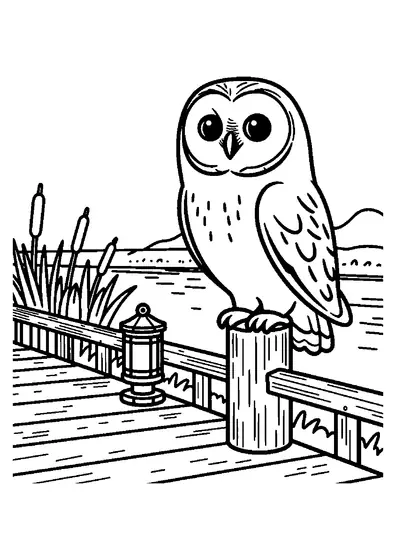
A long-eared owl stands at a woodland apiary near wooden beehives, a fence, and a honey jar.

A4 format (portrait), black outlines on a white background · for home and classroom use
All coloring pages: Owl Coloring Pages
Similar coloring pages: Owl Coloring Pages

What else can you print? Free, no account needed
Custom Name Coloring Pages
Enter your child's name to generate a custom coloring page featuring large outline letters to color and decorate.
Open generator →Connect the Dots Generator
Eight connect-the-dots pictures across three difficulty levels. Features faint outline guides for younger children and dots only for older kids.
Open generator →Printables
Worksheets, tracing lines, mazes and dot-to-dots in A4.
Browse printables →
Long-Eared Owl at a Woodland Apiary
A long-eared owl is shown at a woodland apiary alongside a fence, wooden beehives, and a honey jar. Traditional beehives provide shelter for honeybees within quiet forest apiaries where honey production occurs. Apiaries located near wooded areas benefit from abundant flowering trees and wild plants that bees use to gather nectar throughout the spring and summer seasons.
Fascinating Facts About Long-Eared Owls
Long-eared owls nest in woodlands and often reuse old nests built by crows or squirrels rather than constructing their own. Their long head tufts are feather clusters used to express mood and blend into tree bark when resting. During winter, these nocturnal birds frequently gather together in small roosting groups hidden within dense evergreen trees for warmth and safety.
Real Colors of the Long-Eared Owl and Apiary
- Long-eared owl plumage: Buff and brown feathers with dark brown vertical streaks
- Long-eared owl eyes: Bright orange or yellow with black pupils
- Wooden beehives: Weathered natural wood brown or muted yellow
- Honey jar: Clear glass filled with golden amber honey