
Little Owl on an Ancient Doric Column
A small owl rests atop an ancient stone column among historical ruins.

A4 format (portrait), black outlines on a white background · for home and classroom use
All coloring pages: Owl Coloring Pages
Similar coloring pages: Owl Coloring Pages
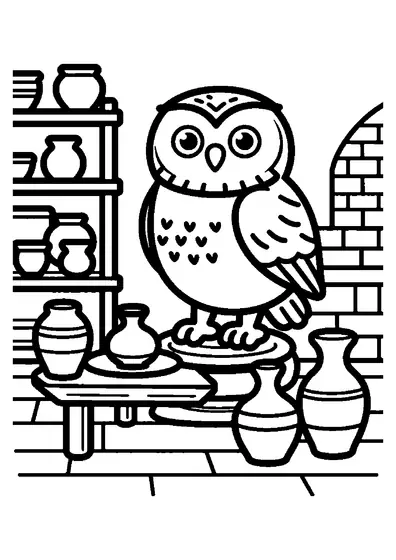

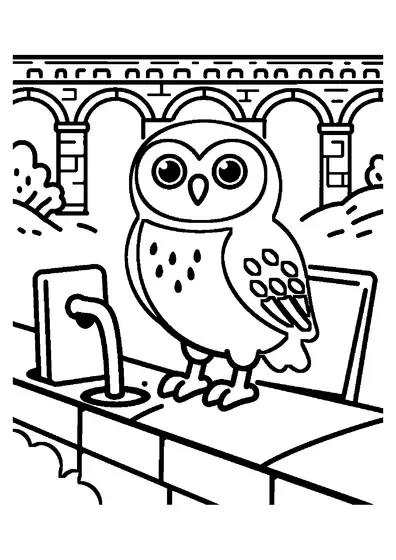

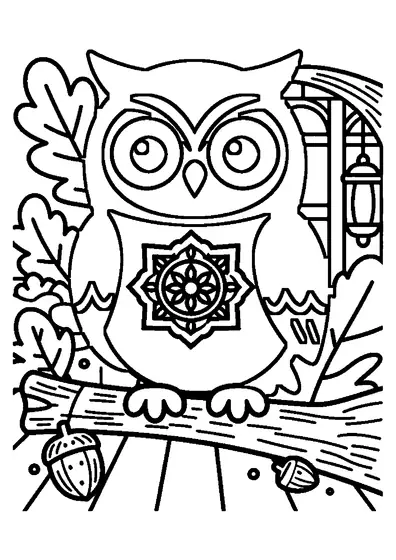

What else can you print? Free, no account needed
Custom Name Coloring Pages
Enter your child's name to generate a custom coloring page featuring large outline letters to color and decorate.
Open generator →Connect the Dots Generator
Eight connect-the-dots pictures across three difficulty levels. Features faint outline guides for younger children and dots only for older kids.
Open generator →Printables
Worksheets, tracing lines, mazes and dot-to-dots in A4.
Browse printables →
The Little Owl Among Historic Stone Columns
The little owl is a compact bird of prey that often chooses elevated perches such as stone structures and ancient ruins. Sitting high on the capital of a Doric column gives the bird an excellent vantage point to observe its surroundings while remaining safe from ground predators. Ancient stone ruins provide natural nooks and crevices where small wildlife can shelter during the day.
Remarkable Facts About the Little Owl
Little owls are known for their habit of bobbing up and down when intrigued by something in their territory. Unlike many larger owl species, they are partially active during the daytime, frequently hunting insects, earthworms, and small rodents in open landscapes. In ancient Greece, the little owl was closely associated with Athena, the goddess of wisdom, which is why it often appears in classical historical art and architecture.
Natural Colors of the Little Owl and Stone Architecture
- Little owl feathers: mottled brown and gray with white spots
- Owl eyes: bright yellow with dark pupils
- Owl beak and feet: pale yellow or horn color
- Doric stone column: weathered off-white, beige, or light gray