
Eagle Owl on a Woodland Windmill Roof
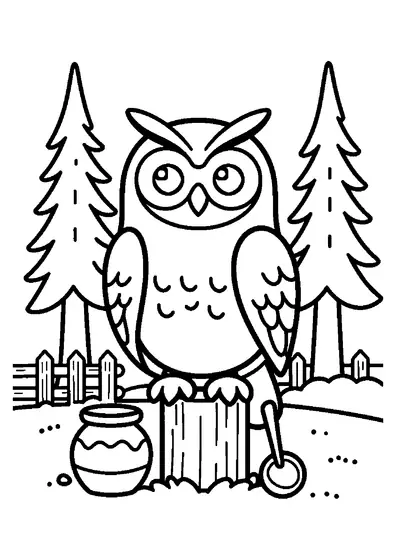
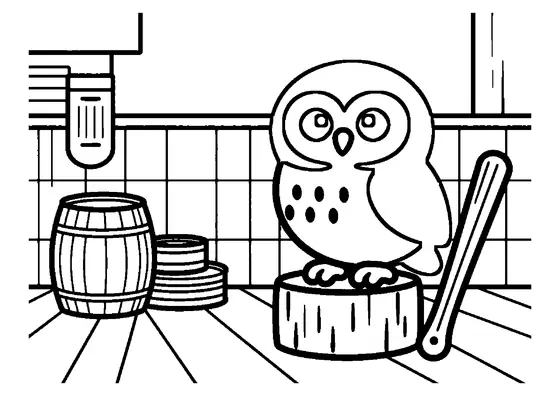
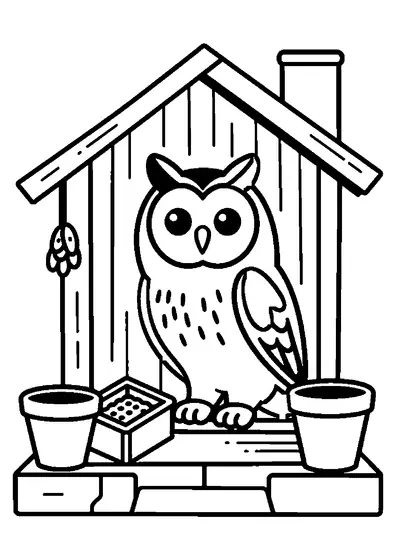
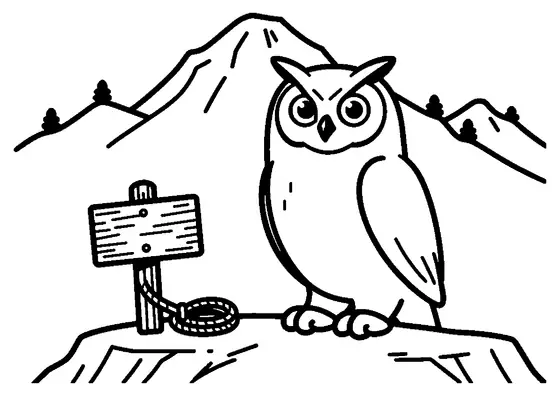
Inside a traditional woodland windmill, a nocturnal eagle owl sits perched beside large wooden gears and drive machinery.

A4 format (landscape), black outlines on a white background · for home and classroom use
All coloring pages: Owl Coloring Pages
Similar coloring pages: Owl Coloring Pages


What else can you print? Free, no account needed
Custom Name Coloring Pages
Enter your child's name to generate a custom coloring page featuring large outline letters to color and decorate.
Open generator →Connect the Dots Generator
Eight connect-the-dots pictures across three difficulty levels. Features faint outline guides for younger children and dots only for older kids.
Open generator →Printables
Worksheets, tracing lines, mazes and dot-to-dots in A4.
Browse printables →
Eurasian Eagle Owl inside a Windmill
This scene depicts a large eagle owl inside the upper mechanism of a wooden windmill. The bird perches on a heavy roof beam next to a large cogwheel that forms part of the traditional drive system, while the sails of the mill rest outside the wooden structure.
How Windmill Gears and Owls Interact
Old timber windmills provided sheltered roosting spots for large birds seeking protection from harsh weather and predators. The quiet interiors of mill towers offer elevated perches where owls can rest undisturbed during daylight hours before hunting in surrounding fields.
Natural Colors of Owls and Wooden Mills
- Eagle owl plumage: mottled brown, tan, and dark black streaks
- Owl eyes: deep orange or bright yellow
- Wooden roof beams: weathered grayish-brown
- Iron gear fittings: dark gray or rusted brown