
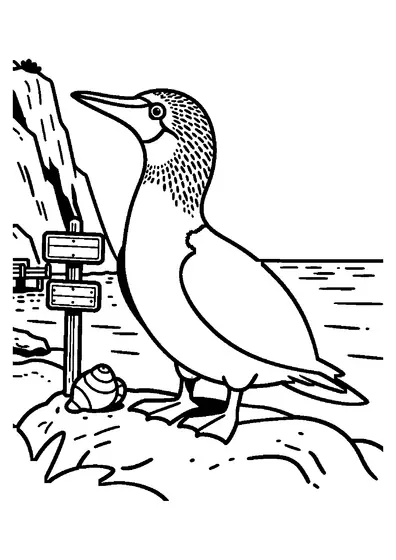
Great Blue Heron at a Rowing Dock
A tall great blue heron perches atop a wooden post overlooking a peaceful rowing dock and calm harbor water.

A4 format (landscape), black outlines on a white background · for home and classroom use
All coloring pages: Bird Coloring Pages
Similar coloring pages: Bird Coloring Pages



What else can you print? Free, no account needed
Custom Name Coloring Pages
Enter your child's name to generate a custom coloring page featuring large outline letters to color and decorate.
Open generator →Connect the Dots Generator
Eight connect-the-dots pictures across three difficulty levels. Features faint outline guides for younger children and dots only for older kids.
Open generator →Printables
Worksheets, tracing lines, mazes and dot-to-dots in A4.
Browse printables →
Great Blue Heron Resting by the Docks
This waterfront view presents a great blue heron perched on a thick wooden pier post beside a marina dock. These large wading birds are frequent visitors to coastal areas, harbors, and rowing centers where wooden structures offer elevated views of the water. Perching above the surface allows the heron to scan for fish while avoiding human activity below.
Remarkable Habits of Harbor Herons
Despite their large size, great blue herons weigh only around five to six pounds because their bones are hollow like those of most flighted birds. Rowing marinas and quiet boat docks provide convenient resting spots where these birds can dry their feathers in the sun. In coastal environments, herons can fold their necks into an S-shape to stay aerodynamic during long flights across estuaries.
Natural Colors of the Great Blue Heron
- Great blue heron feathers: blue-gray on the body with a white crown
- Heron neck and chest: muted gray with dark streaks
- Large beak: yellowish-orange or pale yellow
- Wooden dock post: weathered gray or warm timber brown
- Marina water: deep navy blue or slate gray