
Panda at the Bamboo Drying Yard
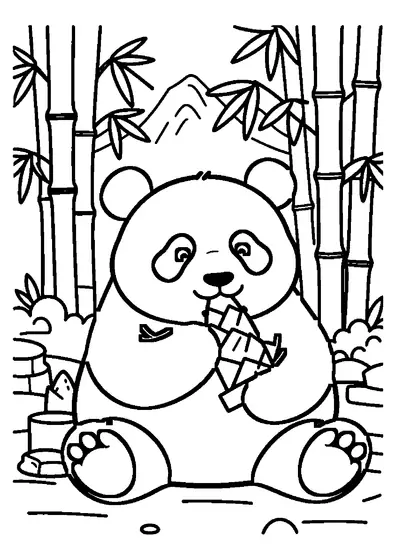
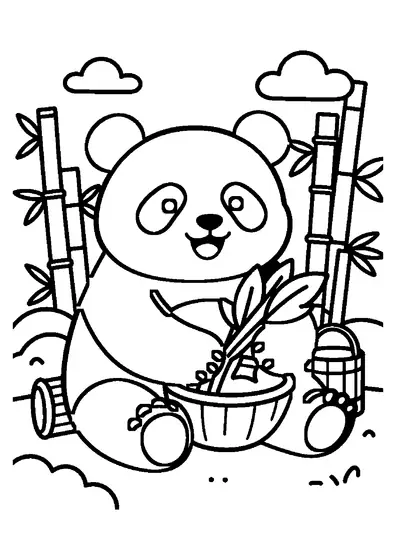
A giant panda rests beside bamboo drying mats laid out in an open courtyard at a wildlife reserve.

A4 format (landscape), black outlines on a white background · for home and classroom use
All coloring pages: Panda Coloring Pages
Similar coloring pages: Panda Coloring Pages



What else can you print? Free, no account needed
Custom Name Coloring Pages
Enter your child's name to generate a custom coloring page featuring large outline letters to color and decorate.
Open generator →Connect the Dots Generator
Eight connect-the-dots pictures across three difficulty levels. Features faint outline guides for younger children and dots only for older kids.
Open generator →Printables
Worksheets, tracing lines, mazes and dot-to-dots in A4.
Browse printables →
Relaxing in a Bamboo Drying Yard
A giant panda sits near large woven mats placed in an open courtyard used for drying bamboo reserves. The outdoor facility includes storage racks, a traditional drying shed roof, and paved open ground designed for reserve operations.
Bamboo Processing and Storage
Wildlife reserves harvest and prepare large amounts of bamboo to supply animals during winter or weather shortages. Drying yards help preserve bamboo shoots and stalks, keeping them dry and preventing mold growth before distribution.
Natural Palette of a Reserve Drying Yard
- Giant panda: Deep velvet black patches and stark white body fur
- Drying mats: Light tan, golden beige, or natural straw yellow
- Bamboo stalks: Soft green turning to pale yellow-brown when dried
- Shed roof tiles: Terracotta red or dark charcoal gray